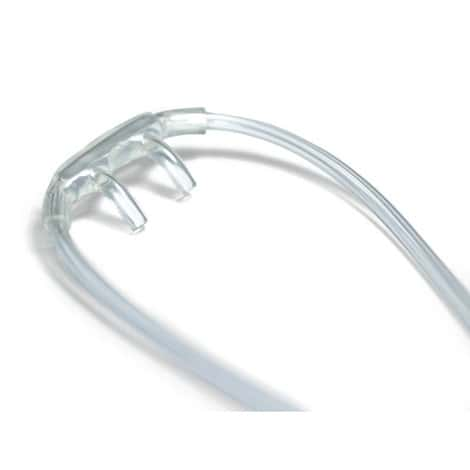
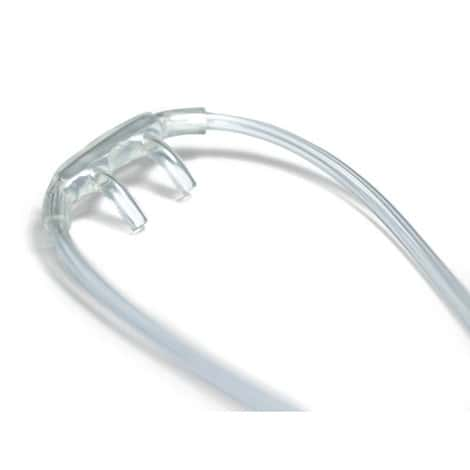
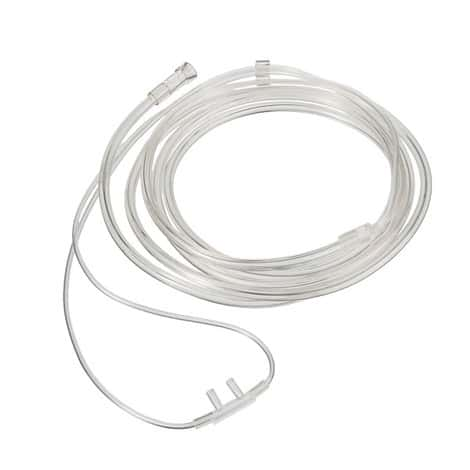
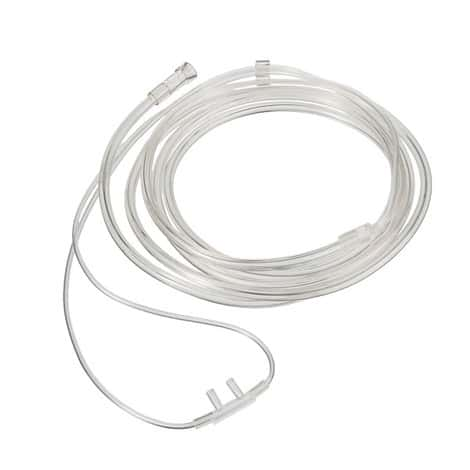

Médipost First Aid nasal cannula
Medipost First Aid oxygen glasses offer comfortable and effective oxygen administration in emergency situations. Made of odorless PVC, they are soft and atraumatic for prolonged wear. Supplied with a 2 meter tube and retention straps, these single-use nasal cannulas are available in adult or child versions.
| Brand: Medipost |
Référence |
RMK01 |
Associated categories: First aid products > Emergency and resuscitation equipment > Médipost First Aid oxygen glasses
Features:
- Disposable oxygen glasses for nasal administration
- Soft and atraumatic nasal prongs for optimal comfort
- 2 metres long supply tubing
- Fixation by ear loops
- Main material: odourless PVC
- Design adapted for prolonged use
- Available in adult or paediatric version
- Single use
Often bought together
Remarkable comfort even over several hours, my patients no longer complain about irritating prongs.
Frequently asked questions
What is the difference between adult and paediatric oxygen glasses?
The paediatric version has nasal prongs with a reduced diameter and ear loops adapted to paediatric morphology. The recommended oxygen flow rate may also vary depending on the version used.
What oxygen flow rate can these nasal glasses be used at?
Oxygen glasses are generally designed for low to moderate flow rates, typically between 1 and 6 litres per minute. Beyond that, an oxygen mask is preferable to avoid nasal mucosa drying.
Why choose oxygen glasses instead of a facial mask?
Nasal glasses allow the patient to speak, eat and drink during oxygen therapy. They are less cumbersome and better tolerated during long-term treatments, particularly for anxious or claustrophobic patients.