

Pinard Horn Wooden Fetal Stethoscope
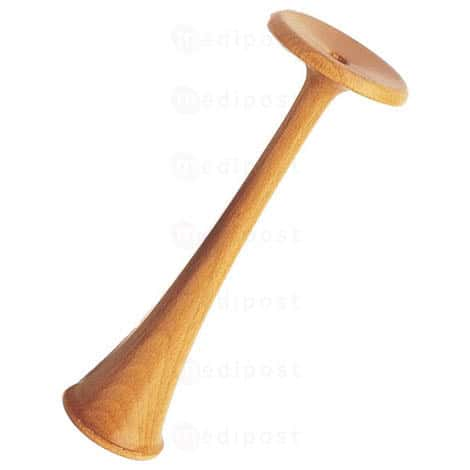
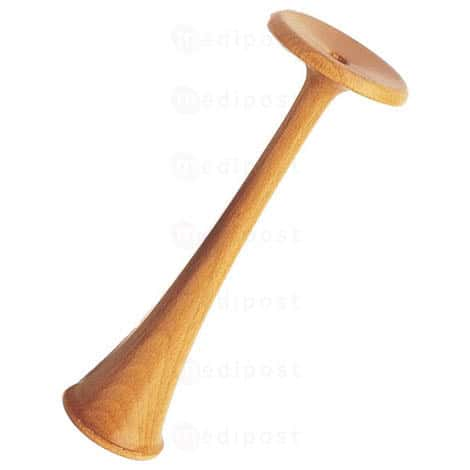
The wooden Pinard obstetric stethoscope is a traditional instrument essential for health professionals. This 18 cm Pinard horn allows auscultation of fetal heartbeats through the abdominal wall of the expectant mother. A simple, reliable and natural fetal listening tool, made of wood for durable use.
| Brand: Dimeda |

Référence |
02.262.18 |
Associated categories: Specialised diagnostic equipment > Dopplers > Pinard horn foetal stethoscope wooden
Features:
- Pinard obstetric wooden stethoscope
- Traditional instrument for foetal auscultation
- Length: 18 cm
- Material: natural wood
- Characteristic conical funnel shape
- Use: detection of foetal heartbeats
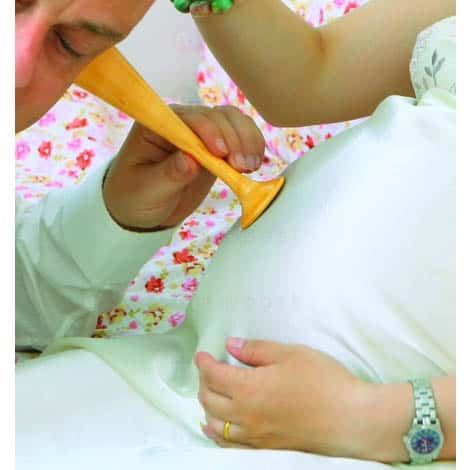
- Method: direct application to the mother's abdominal wall
- Operation without battery or electricity
- Suitable for pregnancy monitoring from the second trimester
- Lightweight and portable instrument
- Simple maintenance by wiping
The essential tool of midwives for over a century, for an authentic listening to the growing life.
Frequently asked questions
From what week of pregnancy can you hear the baby's heartbeat with a Pinard horn?
The Pinard stethoscope generally allows detection of foetal heartbeats from the 18th to 20th week of pregnancy. Audibility depends on foetal position and maternal morphology.
How do you use a Pinard stethoscope correctly?
Place the wide end of the cone on the mother's abdomen, where the foetal back is located. Apply your ear to the narrow end and maintain gentle pressure. Silence around you is essential to perceive the heartbeats.
What is the difference between a Pinard horn and a foetal doppler?
The Pinard horn is a passive acoustic instrument that directly transmits sounds to the ear, without electronic amplification. The foetal doppler uses ultrasound to detect and amplify heartbeats. The Pinard horn requires no power source and offers natural listening.