
Aluminium Tuning Forks Dimeda
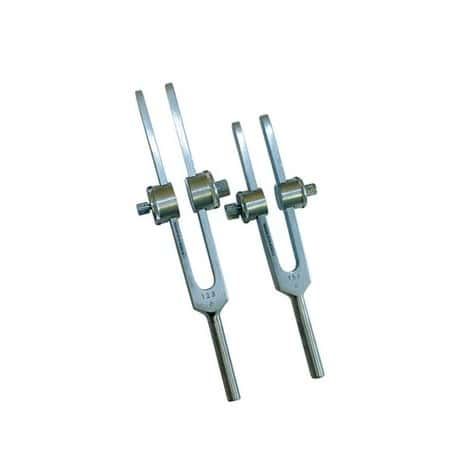
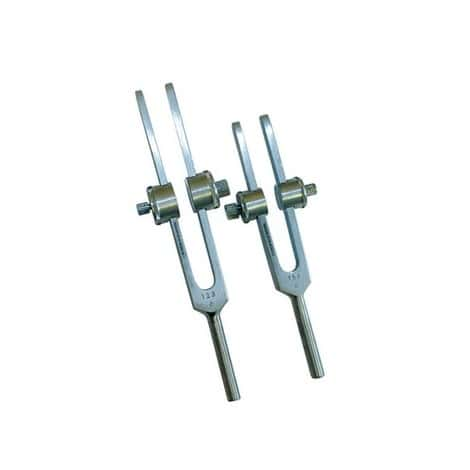
Lermoyer tuning fork in German-quality aluminium, equipped with a slider for precise hearing tests. This medical diagnostic instrument is available in two frequencies: 128 Hz (23 cm) or 256 Hz (17.5 cm). Ideal for hearing assessment and detection of bone conduction disorders in medical or ENT offices.
| Brand: Dimeda |
Référence |
44.060.04 |
Associated categories: General medical diagnostic equipment > Medical diagnostic instruments > Dimeda aluminium tuning forks
Features:
- Medical tuning fork in aluminium, Lermoyer type
- Equipped with a slider to adjust vibration frequency
- Used for vibration sensitivity tests and hearing examinations
- German manufacture Dimeda
- Available in 128 Hz frequency (length 23 cm)
- Available in 256 Hz frequency (length 17.5 cm)
- Lightweight and resistant material
- Neurological and ENT diagnostic instrument
A precise and reliable diagnostic tool, essential in my daily practice.
Frequently asked questions
What is the difference between a 128 Hz and 256 Hz tuning fork?
The 128 Hz tuning fork vibrates at a lower frequency and is mainly used to test bone vibration sensitivity in neurology. The 256 Hz tuning fork, with its higher frequency, is more commonly used for hearing tests such as Weber or Rinne tests in ENT.
What is the purpose of the slider on a Lermoyer tuning fork?
The slider allows you to modify the duration and intensity of the tuning fork's vibrations. By moving it along the tines, the practitioner can adjust the vibratory properties according to the specific needs of the diagnostic examination.
How to use a tuning fork for a neurological examination?
The tuning fork is struck and then applied to bony prominences such as the malleolus or wrist. The patient indicates when they stop perceiving the vibrations, allowing the practitioner to assess vibration sensitivity and detect possible peripheral neuropathies.