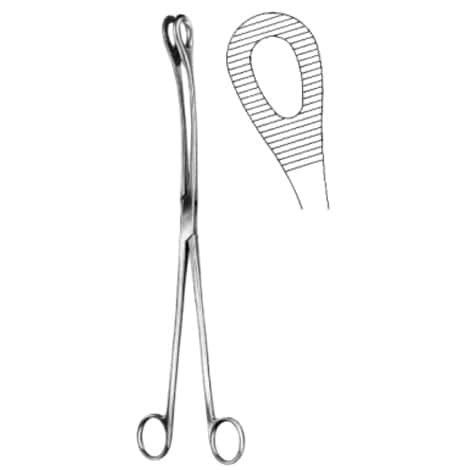
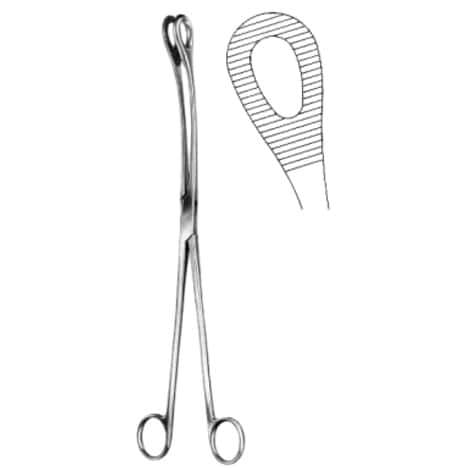
Kelly polyp forceps 32cm
The Kelly polyp forceps 32 cm is a quality German gynecological instrument designed for grasping uterine polyps. Featuring slightly curved arms and serrated jaws for optimal grip, this superior quality stainless steel forceps with polished steel finish is sterilizable, ensuring repeated safe use.
Référence |
70.543.32 |
Associated categories: Gynaecology equipment > Forceps > Kelly polyp forceps 32cm
Features:
- Kelly uterine polyp forceps for gynaecology
- Total length of 32 cm for optimal access to the uterine cavity
- Slightly curved arms facilitating polyp grasping
- Serrated jaws ensuring firm and secure tissue grip
- Manufactured from superior stainless steel
- Polished steel finish for enhanced corrosion resistance
- German quality
- Sterilisable instrument for safe reuse
Often bought together
A reliable and precise instrument for demanding gynaecological procedures.
Frequently asked questions
What is a Kelly polyp forceps used for?
The Kelly polyp forceps is a gynaecological instrument designed to grasp and remove uterine polyps. Its curve and serrated jaws allow precise tissue grasping during procedures.
How to sterilise stainless steel polyp forceps?
This superior stainless steel instrument can be sterilised by autoclave according to standard sterilisation protocols for reusable medical devices. The polished steel finish resists repeated sterilisation cycles.
Why choose a 32 cm polyp forceps?
The 32 cm length provides sufficient reach to comfortably access the uterine cavity while allowing the practitioner to maintain precise control of the instrument during the procedure.