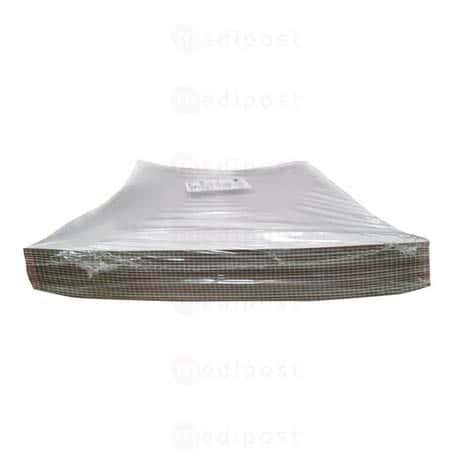
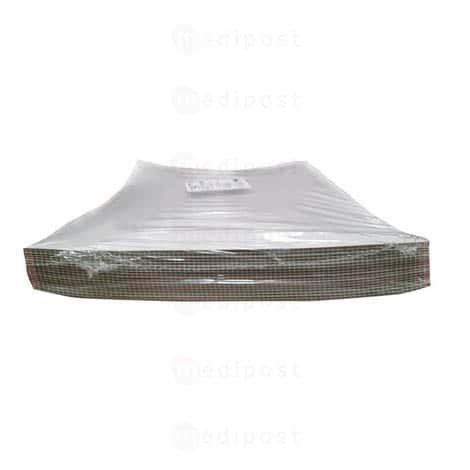
Schiller CS100-AT60 210x280mm A4 224m
K61B thermal paper with dimensions 110 mm x 20 m, specially designed for Mitsubishi printers. Compatible with models P93E, P93DW, P95DE, P60, P61E, P65, P66E, P67, P69E, P90 and P91. Sold per roll, this consumable guarantees reliable printing for your medical imaging devices.
Référence |
CS100 |
Associated categories: Accessories and consumables > Printing paper > Schiller CS100-AT60 210x280mm A4 224m
Features
- Thermal paper for Schiller electrocardiograph
- A4 format: 210 x 280 mm
- Length: 224 metres
- Compatible with Schiller CS100 and AT60 models
- High-sensitivity thermal paper for clear and readable ECG traces
- Z-fold for practical use and easy loading
- Smooth surface ensuring precise printing of cardiac curves
- Packaging suitable for intensive professional use
Reliable ECG paper that guarantees perfectly readable traces for accurate diagnosis.
Frequently asked questions
Is this paper compatible with all Schiller electrocardiographs?
This thermal paper is specifically designed for Schiller CS100 and AT60 models. For other Schiller models, check compatibility with 210 x 280 mm dimensions before use.
How should thermal ECG paper be stored?
Thermal paper should be kept away from direct light, heat and moisture. Storage in its original packaging at room temperature preserves print quality and trace durability.
What is the difference between thermal paper and standard ECG paper?
Thermal paper requires no ink or ribbon: printing is done by heat reaction from the print head. This allows finer and more precise traces, essential for electrocardiogram interpretation.