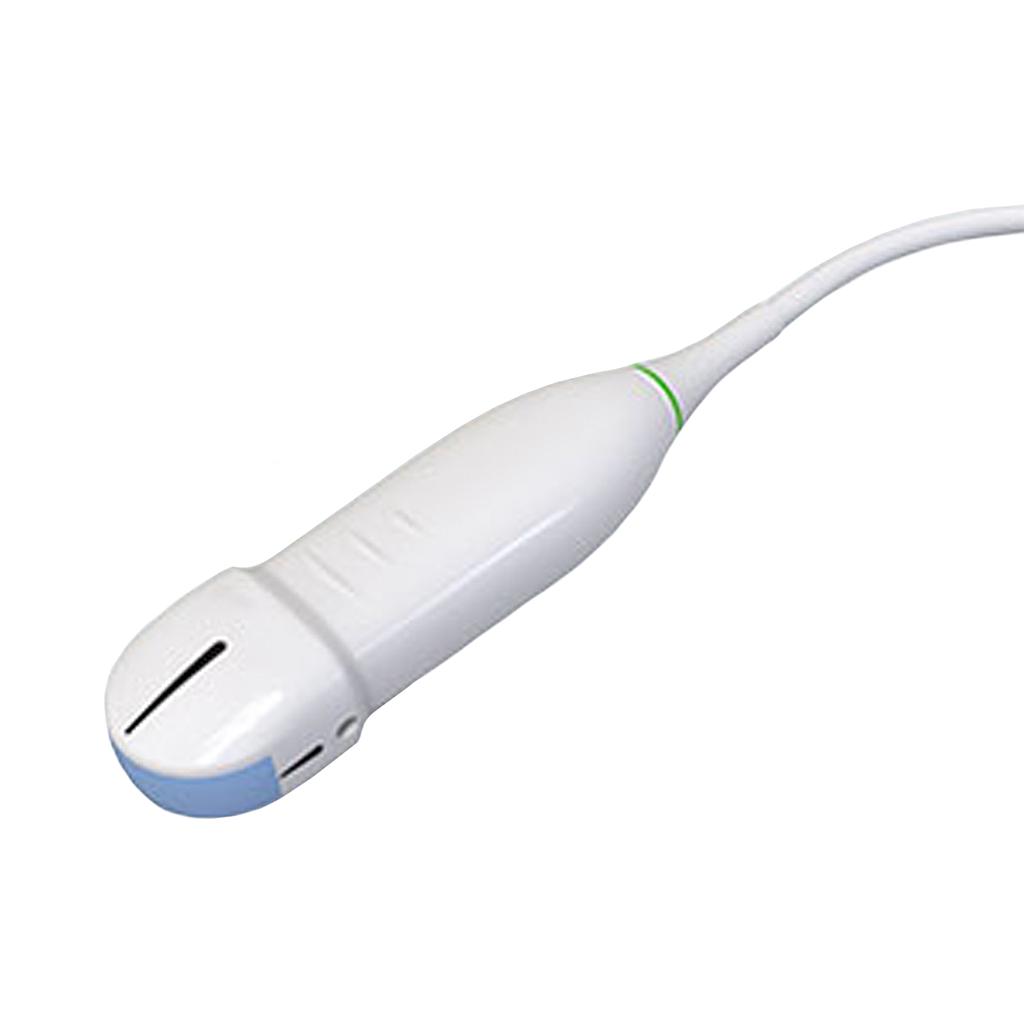
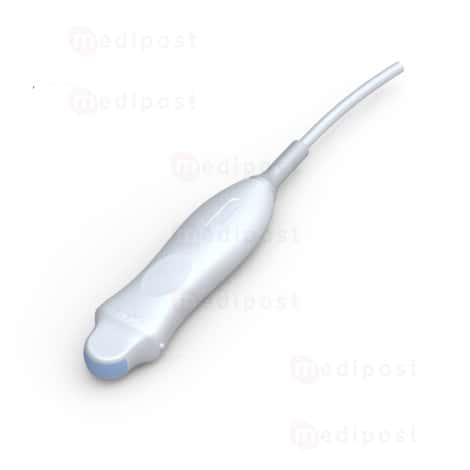
Micro Convex array probe MC8-4Q, 4-8 Mhz for ultrasound AX3/LX3
The EDAN MC8-4Q micro-convex probe offers a frequency range of 4 to 8 MHz, perfectly suited for paediatric, neonatal, vascular and nerve ultrasound examinations. Compatible with AX3 and LX3 ultrasound systems, this micro-convex array probe guarantees precise imaging thanks to its compact format, ideal for restricted anatomical areas.
| Brand: Edan |

Référence |
02.01.212625013 |
Associated categories: Micro Convex array probe MC8-4Q, 4-8 Mhz for AX3/LX3 ultrasound system
Features:
- MC8-4Q micro-convex array ultrasound probe
- Compatible with EDAN AX3 and LX3 ultrasound systems
- Frequency range: 4 to 8 MHz
- Compact format adapted to restricted anatomical areas
- Applications: pediatric, neonatal, nerve and vascular ultrasound
- Array technology for optimized image quality
- Manufacturer: EDAN
A versatile probe that meets the requirements of specialized ultrasound examinations.
Frequently asked questions
Which ultrasound systems is the MC8-4Q probe compatible with?
The MC8-4Q micro-convex probe is designed to work exclusively with EDAN ultrasound systems models AX3 and LX3. It is not compatible with other devices in the EDAN range or other manufacturers.
What types of examinations can be performed with this micro-convex probe?
This probe is particularly suited for pediatric, neonatal, nerve and vascular ultrasound. Its micro-convex format allows access to small or hard-to-reach anatomical areas.
What is the difference between a micro-convex probe and a standard convex probe?
The micro-convex probe has a smaller footprint than the standard convex probe, allowing it to explore restricted anatomical regions. It is therefore preferred for neonatal and pediatric examinations where contact space is limited.