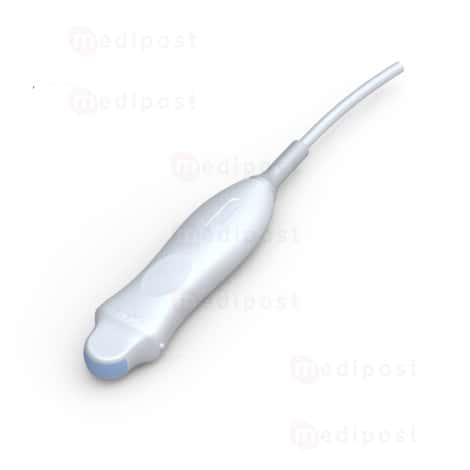
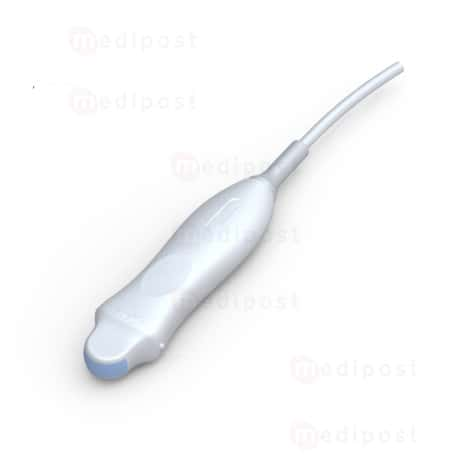
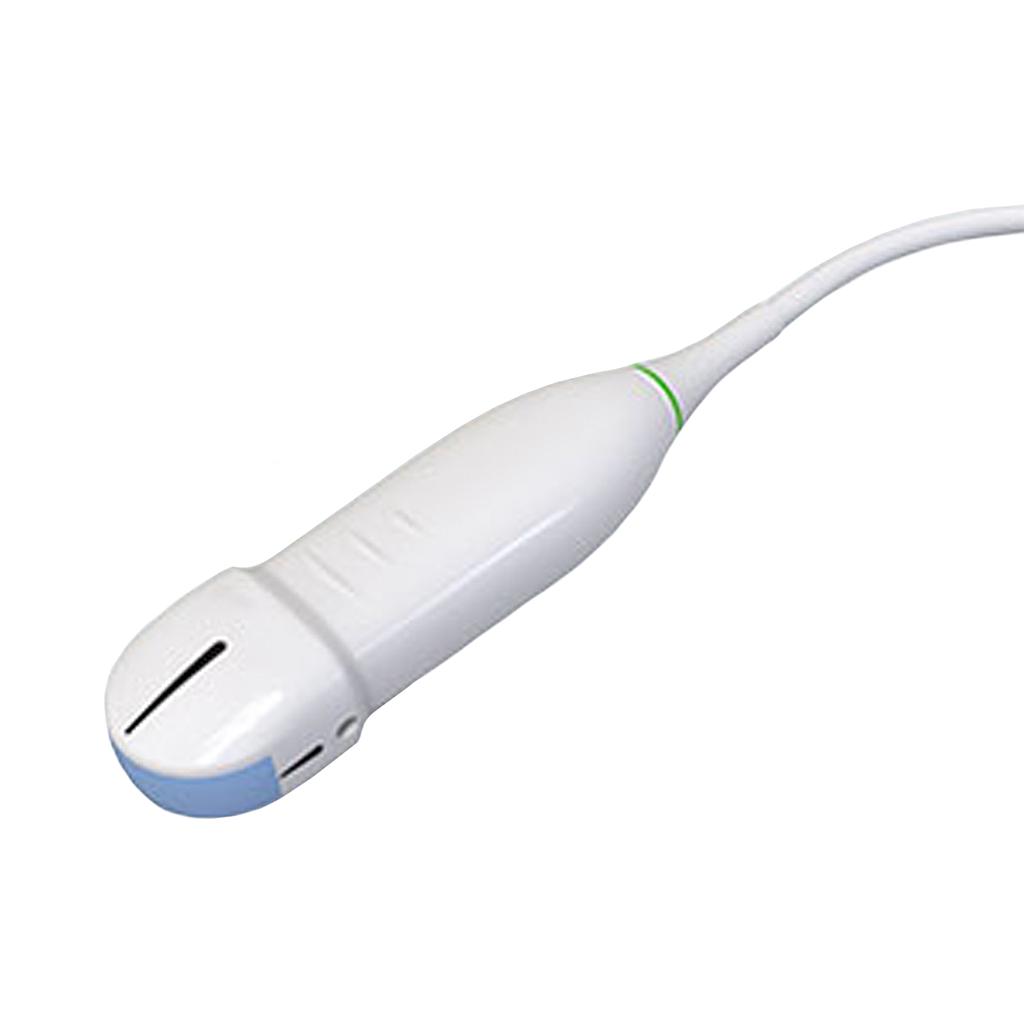
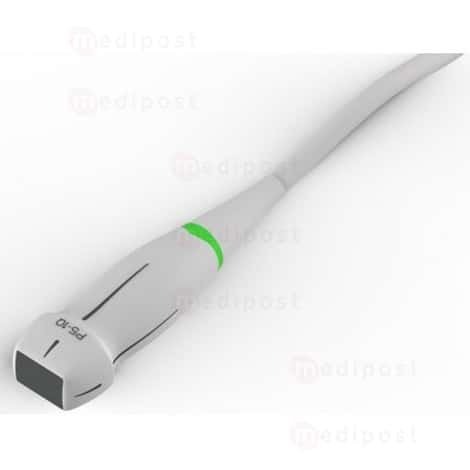
Micro-convex probe for Edan DUS 60 ultrasound system
Micro-convex probe compatible with Edan DUS60 ultrasound machine, designed for pediatric and cardiac examinations. Its multiple frequency range (5.5 to 9.4 MHz) offers optimal diagnostic versatility. Compact format ideal for restricted access areas and small anatomical structures requiring precise ultrasound imaging.
| Brand: Edan |

Référence |
0201210693 |
Associated categories: General diagnostic medical equipment > Ultrasound systems > Microconvex probe for Edan DUS 60 ultrasound system
Features:
- Microconvex ultrasound probe for Edan DUS 60 ultrasound system
- Designed for paediatric and cardiac ultrasound
- Microconvex format: small footprint for easier access to intercostal spaces
- Multiple frequencies: 5.5 / 6.5 / 7.5 / H9.0 / H9.4 MHz
- Wide frequency range allowing adaptation of image depth and resolution
- Harmonic frequencies (H9.0 and H9.4 MHz) for improved image quality
- Compatible exclusively with portable Edan DUS 60 ultrasound system
- Suitable for paediatric patients thanks to its compact size
- Use in cardiology: visualization of cardiac structures via intercostal spaces
A compact and versatile probe that opens up new diagnostic possibilities with my Edan DUS 60 ultrasound system.
Frequently asked questions
What is the difference between a microconvex probe and a standard convex probe?
The microconvex probe has a smaller footprint than the standard convex probe. This reduced size allows easier access to intercostal spaces and restricted anatomical areas, making it particularly suitable for cardiac and paediatric examinations.
Is this probe compatible with other Edan ultrasound systems?
No, this probe is specifically designed for the Edan DUS 60 ultrasound system. It cannot be used with other models in the Edan range or with ultrasound systems from other manufacturers.
What are the different frequencies available on this probe for?
Low frequencies (5.5 MHz) provide better penetration to visualize deep structures, while high frequencies (up to H9.4 MHz) deliver superior resolution for superficial structures. Harmonic frequencies improve image quality by reducing artefacts.